2026-11-27 ·
Common Causes Of Uneven Heating In Older Dayton Homes
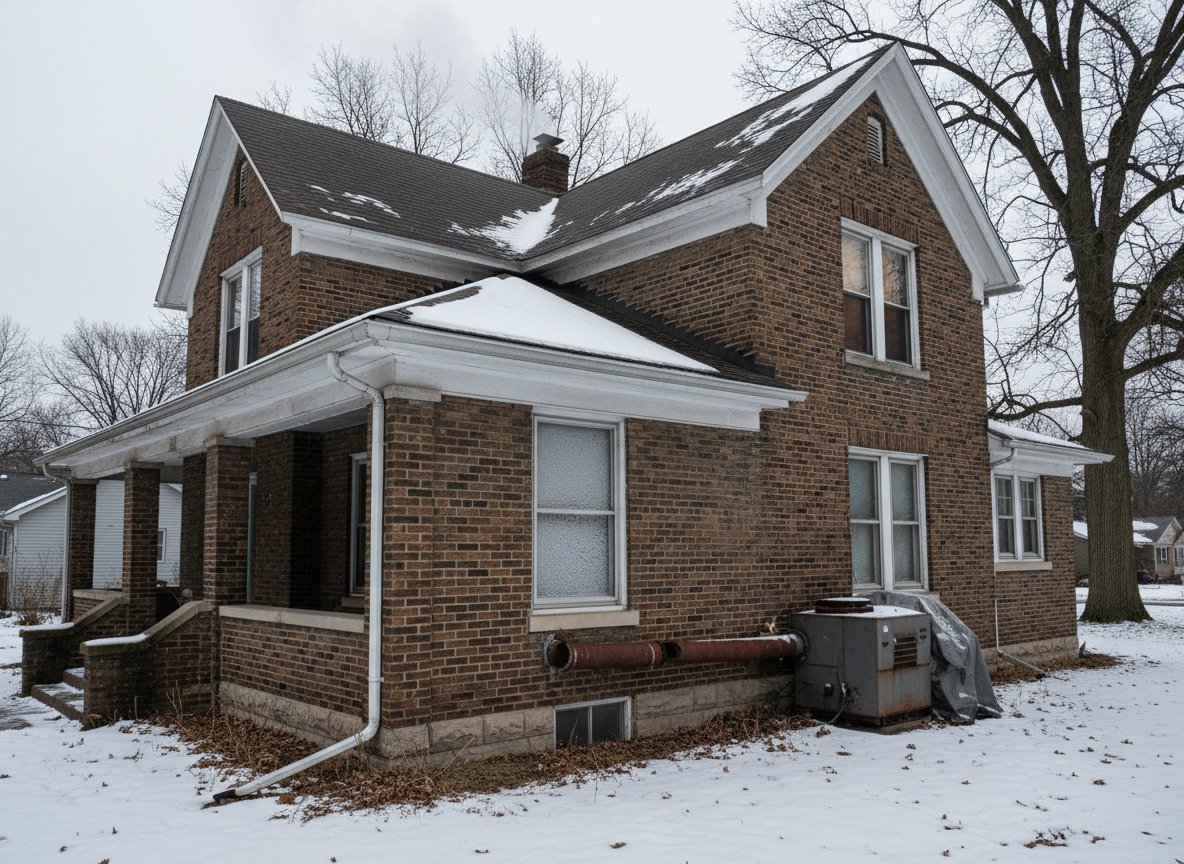
Older Dayton homes commonly suffer uneven heating from duct leaks, poor insulation, and aging furnaces that struggle with Montgomery County's cold winters and temperature swings between Kettering and Beavercreek.
Ductwork Leaks and Layout Issues
Homes built before 1950 in the Oregon District and South Park often have original duct runs that snake through unconditioned attics and crawl spaces. These metal ducts develop seams that separate over decades, allowing heated air to escape before it reaches upper floors or distant rooms. In University Row, many two-story properties share similar layouts where the main trunk line runs along the basement ceiling without proper sealing. Cold air infiltration through these gaps becomes noticeable once winter temperatures drop below freezing. Homeowners notice one side of a room stays warm while the opposite corner remains chilly. Checking for loose joints at registers and along visible runs helps identify the worst offenders before calling for professional assessment.
Insulation Gaps in Historic Construction
Montgomery County homes from the early 1900s frequently lack insulation in exterior walls and have minimal attic coverage. This allows heat to rise and escape through the roof while cold air enters through single-pane windows common in Downtown Dayton properties. The humid continental climate adds moisture that settles into wall cavities, further reducing any existing insulation effectiveness during long heating seasons. In South Park, brick structures retain some thermal mass but still lose heat through mortar joints that have deteriorated. Adding targeted insulation to attic floors and sealing around window frames often improves balance more than simply raising the thermostat setting.
Furnace and Blower Performance Problems
Furnaces installed 15 to 25 years ago in older Dayton homes can develop weak blower motors or clogged heat exchangers that limit airflow to certain zones. When the system runs in the Oregon District, where many homes have multiple additions over the years, the original duct design no longer matches the current layout. Restricted filters and dirty coils compound the issue, forcing the blower to work harder while delivering less air to far rooms. Furnace repair addresses motor and exchanger problems directly, while routine HVAC maintenance keeps airflow consistent through seasonal changes.
Thermostat Placement and Zone Imbalances
Thermostats mounted on interior walls near heat sources or in sunny south-facing rooms send inaccurate signals to the furnace. In University Row properties with large living areas on the first floor, this placement often leaves second-floor bedrooms under-heated during January cold snaps. Older homes rarely have dampers in the ductwork to balance supply between floors. Adding a smart thermostat installation allows better scheduling, yet the underlying duct and insulation issues still require attention first. For deeper insight into cold-weather performance, see the related guide on heat pump operation in freezing weather.